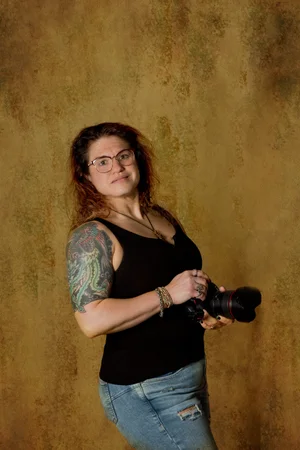

In the quest for a sun-kissed glow without the harmful effects of UV rays, many individuals turn to sunless tanning methods. However, while sunless tanning lotions and sprays can provide a bronzed look in person, they often lead to an undesirable orange hue when captured in photographs.
Unnatural Color Shifts:
One of the key issues with sunless tanning is the risk of an unnatural color shift, resulting in an orange tone that stands out prominently in photographs. Sunless tanning products contain ingredients that react with the skin, producing a tan-like appearance. However, the chemical composition and application method can sometimes lead to an unflattering orange tint, which may be difficult to correct in post-processing. The camera's lens and sensor can amplify these color discrepancies, resulting in photographs that fail to capture the subject's true complexion.
Inconsistent Skin Tone:
Achieving a consistent and even skin tone is crucial for stunning photographs. Unfortunately, sunless tanning methods can often result in uneven application, leading to splotchy or streaky areas on the skin. These inconsistencies become more apparent when captured by a camera, causing distractions, and detracting from the overall aesthetic of the image. Professional photographers strive to highlight the natural beauty of their subjects, and the presence of an unnatural skin tone can significantly hinder their efforts.
Lighting Challenges:
Sunless tanning products tend to darken the skin, which can pose challenges in various lighting conditions. The increased melanin content can create a stark contrast between the subject's orange-toned skin and the surrounding elements. This can lead to difficulties in balancing exposure, resulting in loss of detail and depth in highlights or shadows. Additionally, the orange tint may reflect light differently, leading to unwanted glares or reflections that disrupt the desired composition of the photograph.
Post-Processing Dilemmas:
Correcting the unwanted orange appearance caused by sunless tanning can be a time-consuming task during the post-processing stage. Photographers may need to invest significant effort and skill to adjust the color balance and tone of the skin, striving to bring it closer to a more natural appearance. The time spent on editing and retouching images to minimize the orange hue adds to the workload for both professional photographers and individuals seeking to enhance their personal photographs.
While sunless tanning provides a convenient alternative to sun exposure for achieving a bronzed look, its implications for photography should not be overlooked. The potential pitfalls, including unnatural color shifts, inconsistent skin tone, lighting challenges, and the need for extensive post-processing, make it crucial to consider the impact of sunless tanning on photographs. If you're aiming to capture moments beautifully or working with a professional photographer, it's important to weigh the risks of appearing orange in photos. Exploring alternative methods or embracing your natural skin tone can help ensure that your photographs portray you authentically and reflect the true essence of the captured moments.